








Imagine your legs as a dead weight as you sit in your office chair for the eighth hour of the day. You know you need to relocate, but at this point, the thought of tossing off your work clothes and dragging yourself to the gym feels wrong. Many of us face a similar situation, working from home or sitting at a computer all day, and it's difficult to find time to get in a good workout. Home-based simple machines, like those compact little fitness devices, are supposed to be the answer. Mini steppers vs. walking pads, what works best for you?
They both promise to slide seamlessly into your daily routine, but if we're being honest, there are actually some pretty big differences between them. If you end up with one that's all wrong for you, it could end up being just another piece of junk in the back of your closet.
So let's discuss in detail. This guide gives you the lowdown on the great stepper vs walking pad dilemma, so you can make a choice that's actually right for you and your lifestyle.
1. What's the Difference Between a Stepper and a Walking Pad?
When you're weighing the options between a walking pad vs stepper, you're looking at two pretty different workouts.
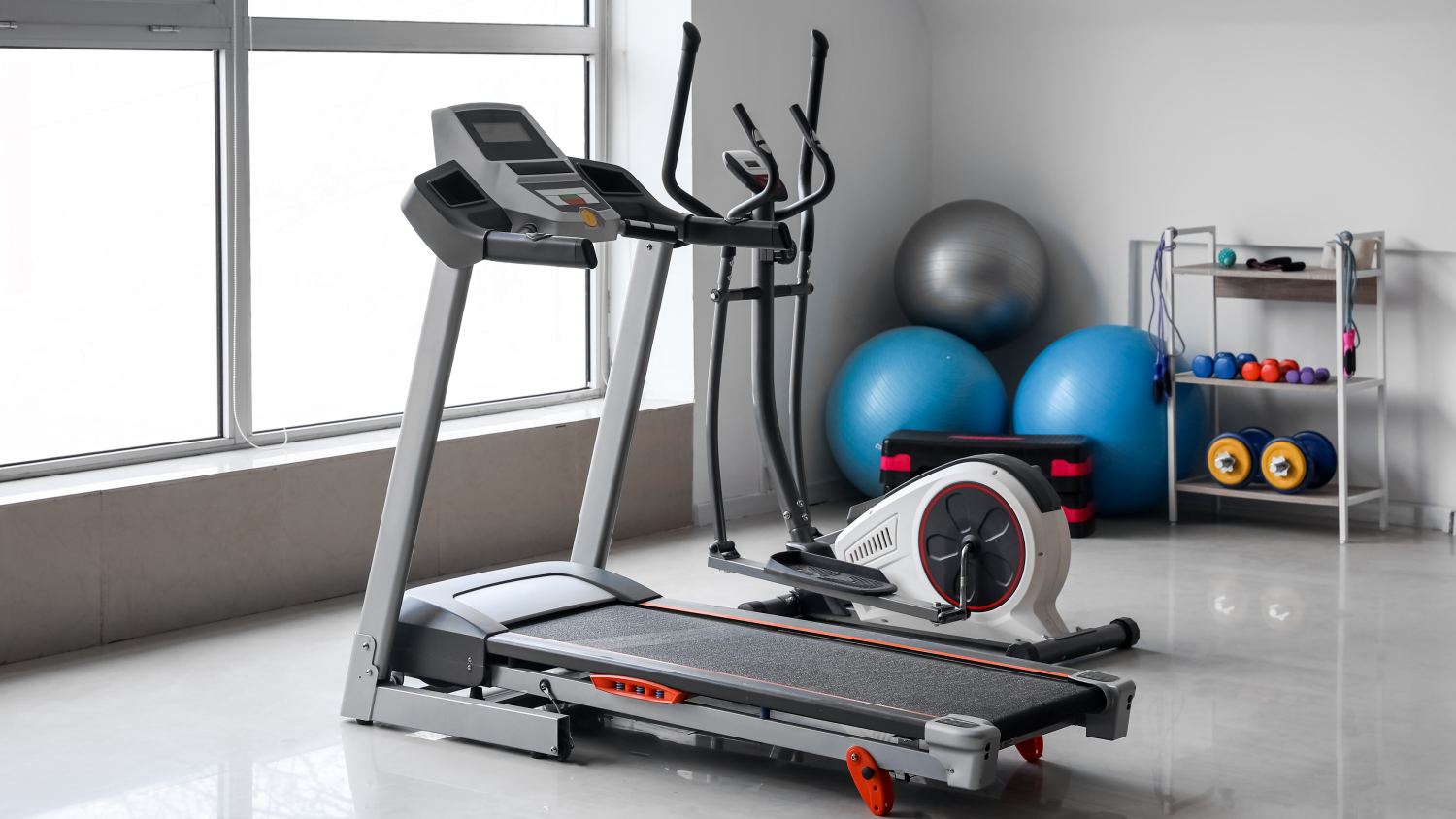
A mini stepper is like a stair climber; you stand in place and push down with your legs in an up & down motion, giving you a good workout for those glutes, hamstrings and calves. Most mini steppers are pretty compact, about 15-20 inches wide and usually weighing in at 15-25 pounds.
Meanwhile, a walking pad is essentially a mini treadmill - a treadmill but without all the clutter. You get to walk on a moving belt, usually at speeds between 0.5 - 4mph. Walking pads are generally around 4-5 feet long and weigh between 40-60 pounds, so they're a bit larger than a stepper but still pretty easy to move around the house.
And the best part is, it's all designed to be super quiet, so you can sneak in a walk at an office or even just walk in your living room. But the key difference here is the way you move around. Steppers have you rooted to one spot with a vertical motion, whereas a walking pad lets you just stroll along like you would normally.
2. Benefits: Mini Stepper vs Walking Pad
Understanding these practical differences is key, but the real question is: what benefits can each machine deliver for your specific fitness goals? Actually, they offer distinct advantages that cater to different priorities.
Space & Storage Considerations
If you're tight on space, this factor matters more than you might think. A mini stepper typically requires just 2-3 square feet of floor space when in use.
You can't tuck it under your bed, in a closet, or behind a door when you're done. The majority of models don't need to be assembled; you can just step right out of the box.
Walking pads need more room. You'll want at least 5-6 feet of length and 2 feet of width for comfortable walking. They are heavier and more difficult to move around, even though many fold up or stand vertically for storage.

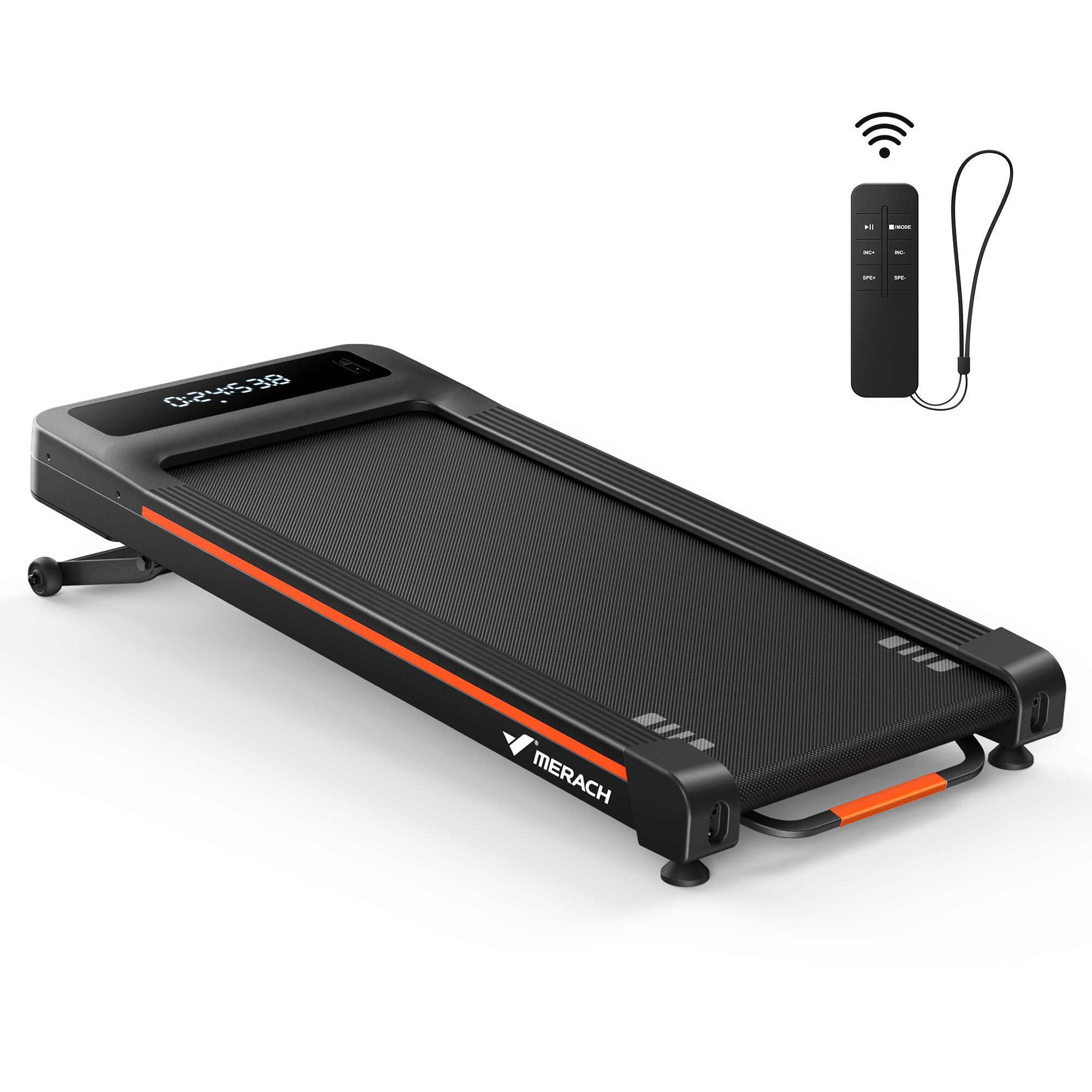
If you're planning to use it under your standing desk, you'll need to permanently account for the space. However, products like the Merach NovaWalk W50 TrekPad have been designed with compact storage in mind, making them more practical for smaller apartments.
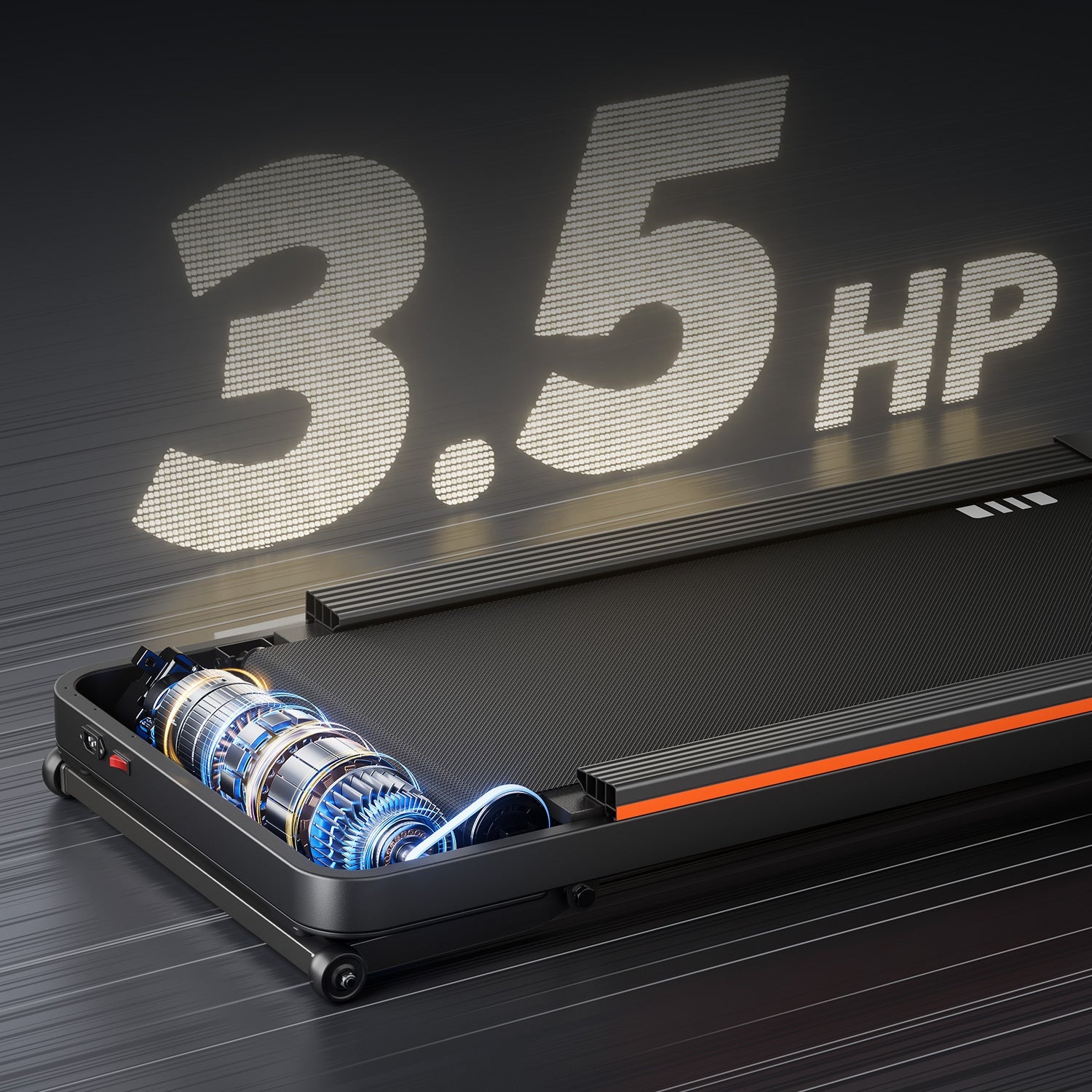
Despite its slim profile, the W50 doesn't compromise on stability or functionality, offering a quiet yet powerful 3.5 HP brushless motor for up to 10 hours of use. Whether you live in a small apartment or a shared workspace, this walking pad delivers treadmill-grade performance without sacrificing performance.
Calorie Burn & Weight Loss Effectiveness
What you really want to know is whether a walking pad or a stepper burns more calories for weight loss. The study reveals some intriguing variations.
According to Harvard Health Publishing, a 155-pound person burns approximately 260 calories in 30 minutes of moderate stair stepping, compared to about 150 calories walking at 3.5 mph on flat ground.
Because of this, the weight-loss comparison between a walking pad and a mini stepper favors the stepper in terms of pure calories burned per minute.
The vertical motion and continuous muscle use create a higher-intensity workout in shorter intervals. Every step you take requires extra power from your body because you are fighting gravity.
In the case of walking pad vs stepper weight loss, maximum burn is not the only thing that matters, sustainability is also crucial. The appeal of a walking pad lies in the fact that you can walk on it for an hour or more, or for instance, while working, watching TV, or taking calls.
People who have a walking pad have reported walking 10,000 plus steps every day without much effort, which is essentially second nature to them.
Compared to stair steppers, the experience of 30 minutes on one is quite intense, and doesn't feel like something you can do repeatedly in a single day.
In a battle of weight loss, and given the same workout times, it is more often the case that consistency is the way to go, and so, you could use your walking pad for 90 minutes every day and get the best out of it, but settle for a 20-minute stint on a stepper only three times a week.
| Activity | 30 Minutes | 60 Minutes |
|---|---|---|
| Mini Stepper | 216-300 calories | 432-600 calories |
| Walking Pad (3.5 mph) | 150-170 calories | 300-340 calories |
| Walking Pad (4 mph) | 170-175 calories | 340-350 calories |
| Walking Pad with Incline | 200-250 calories | 400-500 calories |
| Running on Treadmill (5 mph) | 288 calories | 576 calories |
Impact on Joints & Body
Consider the toll that repetitive motion will have on your knees, ankles, and hips when deciding between a walking pad vs a mini stepper. Mini steppers can be rough on these areas, especially if they have existing problems.
Coming racing on a mini stepper requires constant flexing and extending of the knees, and putting all of your weight on them too.
This is really tough on the knee joint, and some people experience knee pain after a long session.
Walking pads, on the other hand, are lower-impact and give a much more natural movement. Quality walking pads also feature thick, cushioned belts that absorb shocks better than concrete or tiles, making them ideal for people recovering from injuries or chronic joint pain.
That said, posture matters enormously on both machines. Leaning forward on a walking pad or hunching over a stepper undermines the joint benefits. You need to maintain good form regardless of which equipment you choose.
Muscle Engagement & Toning
Steppers take a clear lead over walkers in comparisons of mini steppers and walking pads for muscle building. The greater the resistance the stairs provide, the better the joints and glutes are engaged in the stair climb.
You're performing hundreds of single-leg squats to strengthen and shape your lower body. The result is that most users see significant changes in their legs and glutes within 6-8 weeks of consistent use of steppers.
Walking pads are better at stabilizing muscle tension and are more balanced in weight. You're moving the entire leg and working your body for balance.
It will not build muscle like resistance training, but maintains muscle tone and makes it harder to train. If you walk on an incline, but, some walking pads offer this option, you increase glute and hamstring activation greatly.
Think about your fitness goals. What about a sculpted lower body? The stepper is best. Is fitness and endurance more important? This is more appropriate; the walking pad is less relevant.

3. The Stepper Machine vs Walking Pad: Practical Daily Use
After comparing the features and benefits of steppers and walking pads, you might wonder how they fit into real-life routines. The true test of any fitness equipment lies in its day-to-day usability. Let’s explore how these machines perform in practical scenarios.
Using While Working
This is where the comparison of stair stepper vs walking pad comes into question. Walking pads are multitaskers.
You can actually work on your computer, watch videos, and do routine tasks, walking at 1.5-2 mph. It seems like your upper body is fairly steady and the motion has become lukewarm after a few sessions.
Steppers need more focus. The up/down movement is difficult to use, and you could slog over on video calls.
As they are most often used during exercise time, steppers are probably a popular mode of exercise. In general, people wear steppers while watching TV and listening to music, or for simply exercising. So you can hold light dumbbells or read on a tablet, but productive work is tough.
If you plan to do work on the weekends, consider a walking pad such as the NovaWalk W50 TrekPad. If you want a quick, effective workout, a stepper machine is best.
Noise Levels
Even if you don't, your neighbors and family care about this. The mini steppers are generally silent, and only the slow hydraulic sounds of the pistons.
Though they're ideal for apartments and shared spaces, they might sound a little loud after a month or so.
The noise frequency of walking pads is also considerably higher. The motor and belt generate a low hum that increases as speed increases.
The price range is certainly low; quality models are almost silent at walking speeds and sound well. If your office is in a quiet environment, it is very helpful to check decibel ratings before buying: anything less than 60dB can be quiet enough.
Price Points & Value
We get numbers talking about the budget. There are two types of steppers, average or deluxe, and basic models cost from $30 to $150 for resistance bands and digital displays. The low price of entry gives them appeal to beginners who are reluctant to keep going.
While most standard walking pads cost $200, the new premium models cost upwards of $600+ for the app-compatible shoes, weight capacity, and better cushioning. But it's more expensive upfront, but it's also durable and versatile.
In future, the cost per use will change. A $50 stepper that sits idle is pricelier than the $400 walking pad you use every day.
4. Quick Comparison: Stepper vs Walking Pad
After a detailed analysis of steppers and walking pads, we now break down the key differences in a clear table.
| Feature | Stepper | Walking Pad |
|---|---|---|
| Space Required | 2-3 square feet | 5-6 feet length × 2 feet width |
| Workout Intensity | High intensity, shorter sessions | Low to moderate, longer sessions |
| Muscle Targeting | Strong focus on glutes, hamstrings, calves | Balanced full-leg engagement |
| Assembly Required | No, ready out of box | Minimal |
| Noise Level | Quiet (hydraulic sounds only) | Low hum from motor (varies by model) |
| Price Range | $30-$150 | $200-$600+ |
| Best For | Intense workouts, muscle toning | Daily activity, working while walking |
Choose a stepper if you want a compact, affordable tool for high-intensity lower-body toning, and have very limited space.
If you prioritize low-impact activity, need to stay active while working, and have dedicated floor space for storage, choose a walking pad.
Both are excellent options for home fitness equipment. It simply depends on whether you prefer powerful bursts of exercise or steady, all-day movement.
5. FAQs about Steppers vs. Walking Pads
To help you make the best decision, we've compiled the most common questions and their answers below.
Q1: Can I just walk on a stepper or walking pad instead of a diet?
Yes, but the results will be slower. Combining exercise with diet makes weight loss much easier and longer-lasting.
Q2: How long should I use a stepper or walking pad to see results?
Stepper for a total of 20-30 minutes per day or 45-60 minutes per foot, or walk. Most people see fitness gain within 4-6 weeks, and weight loss in between 6-8 weeks.
Q3: Are seniors or people with mobility issues better served by steppers or walking pads?
Walking pads are generally considered a healthier option because they are lower in impact and easier to balance on. To get to know what's a good thing to do, please have medical authorization.
Q4: If you have bad knees, would you take a stepper or a walking pad?
Walking pads generally are more knee-friendly. The steps can exert extra pressure on joints. If you feel pain, see a professional.
6. Conclusion
You decide between a stepper or a walking pad based on your lifestyle and fitness goals. Small steppers offer low prices, intense lower-body workouts at little cost, for a focused exercise session.
Walking pads provide durable, low-impact exercise that can be performed during your work and are ideal for regular everyday activities. You can easily lose weight by either, but walking is more common.
If you want challenging exercise and muscle toning, go with steppers. If you want to get the most out of walking every day when you work or relax, buy a good walking pad like Merach W50 Walking Pad. The best equipment is the one you will use daily, and you will use it all the time.

Leave a comment
All comments are moderated before being published.
This site is protected by hCaptcha and the hCaptcha Privacy Policy and Terms of Service apply.