


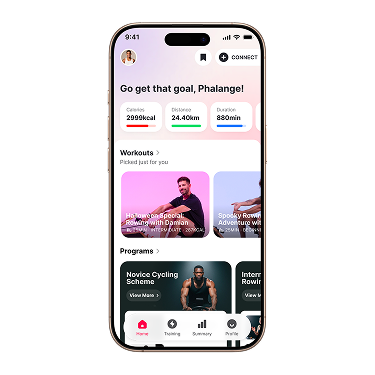






It's that time of year again when we all get hyped about fresh starts and new beginnings. If you're reading this, chances are you've made a New Year's fitness resolution and want to actually stick to it this time. Good news—we're here to help you make that happen.
Whether you're a complete beginner or getting back into exercise after some time away, working out at home can be one of the best ways to start your fitness journey. No gym intimidation, no expensive memberships, and no excuses about the weather or traffic. Let's talk about how to turn that New Year fitness resolution into real, lasting change.
1. How to Set Realistic Fitness Goals?
Most people mess up their New Year's fitness resolution right out of the gate by going way too big. You're excited, motivated, and ready to transform your life, but jumping from zero to working out every single day for two hours is basically setting yourself up to crash and burn by mid-February. So, how to make achievable fitness resolutions for the New Year? Let's talk about making your new year fitness plan actually work.
Start Small & Achievable Goals
The most common mistake people make is setting goals that are too ambitious too soon. Instead of aiming to run a marathon in three months or lose 20 pounds in a month, start with walking 10 minutes a day, which you can realistically achieve right now. Once your small goal feels easy, increase it slightly. Add 5 more minutes to your walk, or add one more day to your routine. This gradual approach prevents plateaus and keeps you moving forward without overwhelming yourself.
SMART Strategy
One of the best methods for setting achievable New Year fitness goals is to use the acronym SMART, which stands for specific, measurable, attainable, relevant, and time-bound. By providing a clear, reliable goal-setting strategy, SMART helps turn good intentions into results. Instead of saying "I want to get in shape", try something like "I will work out at home three times a week for 30 minutes." Your fitness goal should be quantifiable so that you can track your daily progress. With a measurable goal, you can know for sure when you've reached a milestone.
Flexible Integration in Daily Life
For beginners, we suggest setting aside at least 30 minutes each day to do physical activities with cardio and strength training benefits. If time is an issue, three brisk 10-minute walks can be substituted for one 30-minute walk. In addition, playing with the kids, doing yard work, housework or sweeping out the garage can provide a workout. The point is to move your body consistently, not to become a professional athlete overnight.
Progress Over Perfection
Set realistic goals aligned with your current fitness level and schedule. Celebrate small milestones to maintain motivation, focusing on long-term habits rather than immediate, dramatic results. And don't forget to give yourself a deadline—setting a time frame for your fitness goal will prevent you from feeling aimless and push you to stay on track.
2. Essential Home Workout Equipment for Beginners
One of the best things about starting your fitness new year resolution at home is that you don't need a ton of fancy equipment. Seriously, you can get an amazing workout with just your body weight and maybe a few affordable basics. That said, having the right gear can make your workouts more effective and way more fun. If you're ready to invest in some quality equipment, we've got some solid options that won't break the bank.
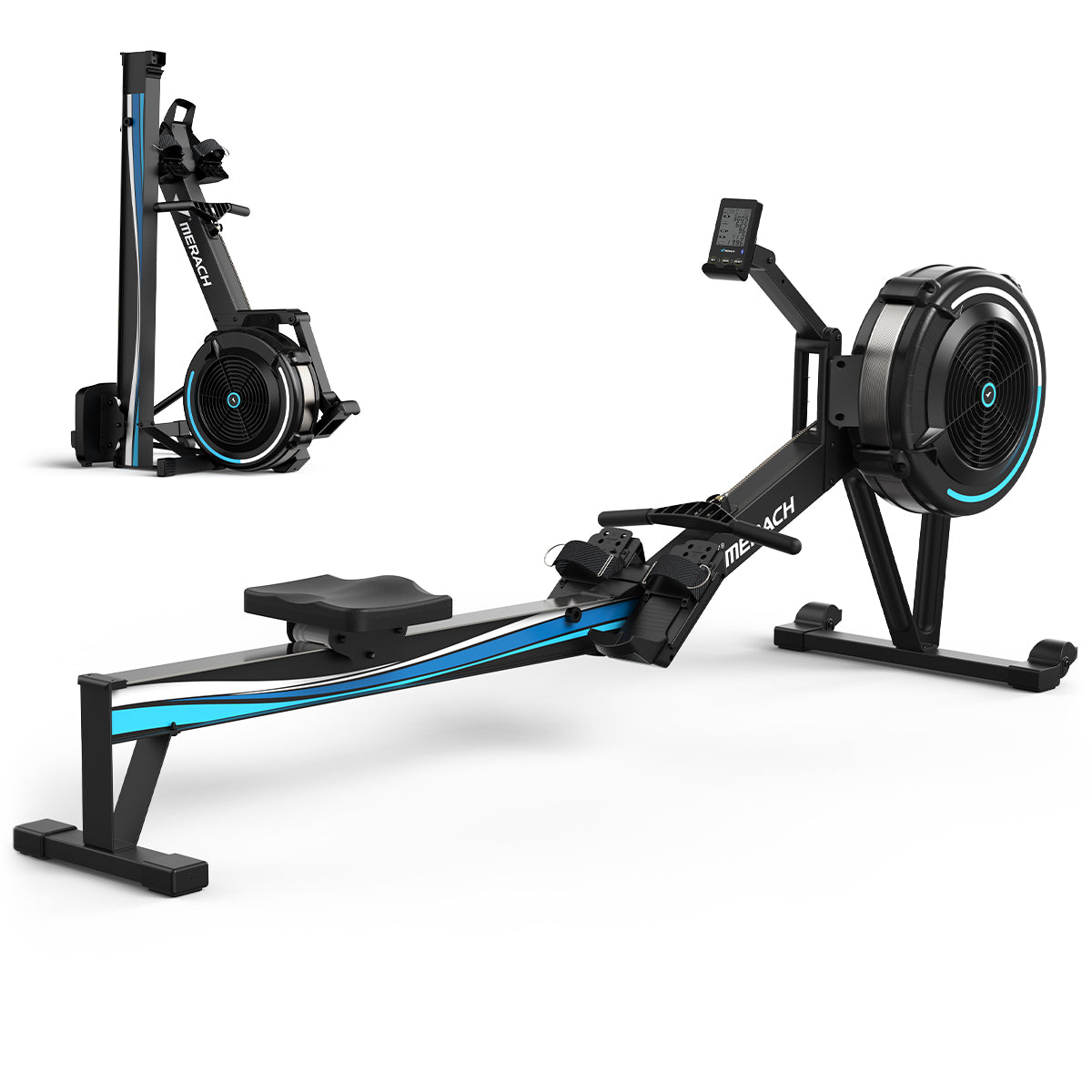
- Rowing machine: It is one of the most versatile equipment you can get for home workouts. It gives you a full-body workout. Plus, it's low-impact, so it's easier on your joints than running. Among different types, the air rower is renowned for their exceptionally smooth and self-regulating resistance, and mimics rowing on water.
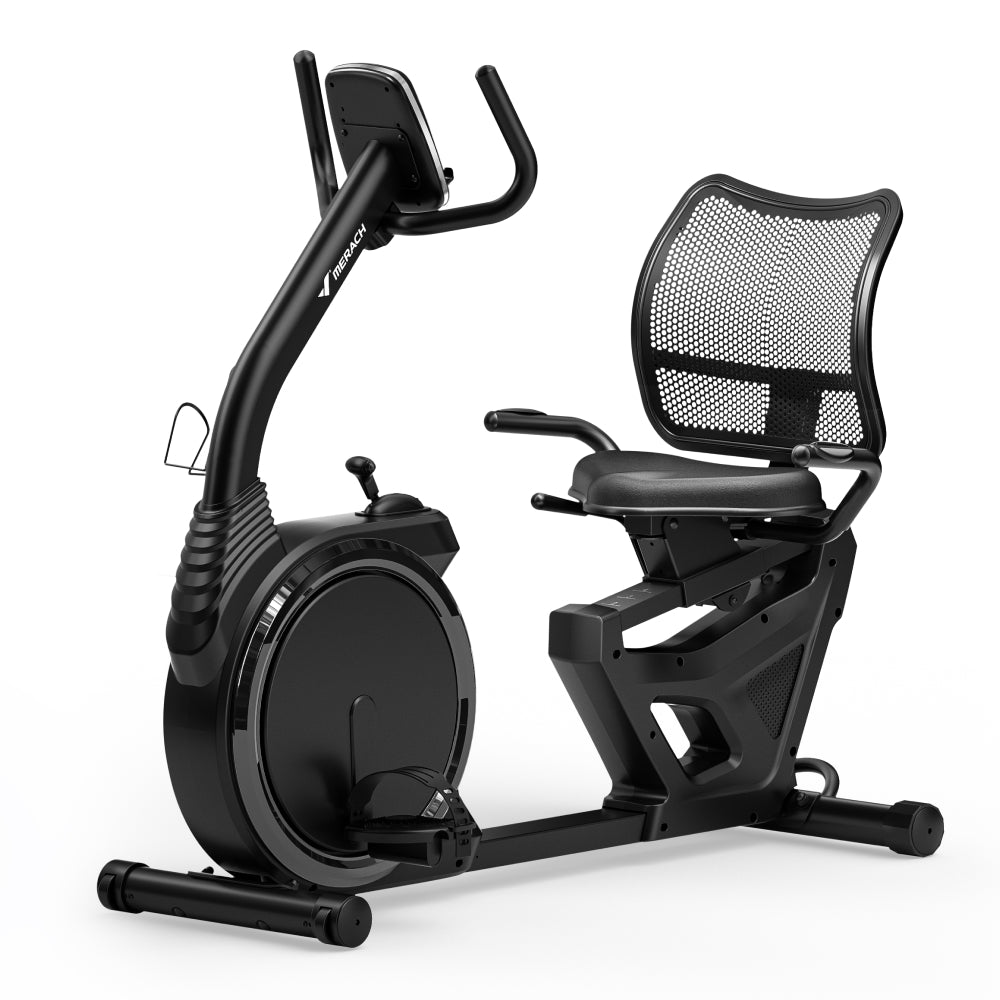
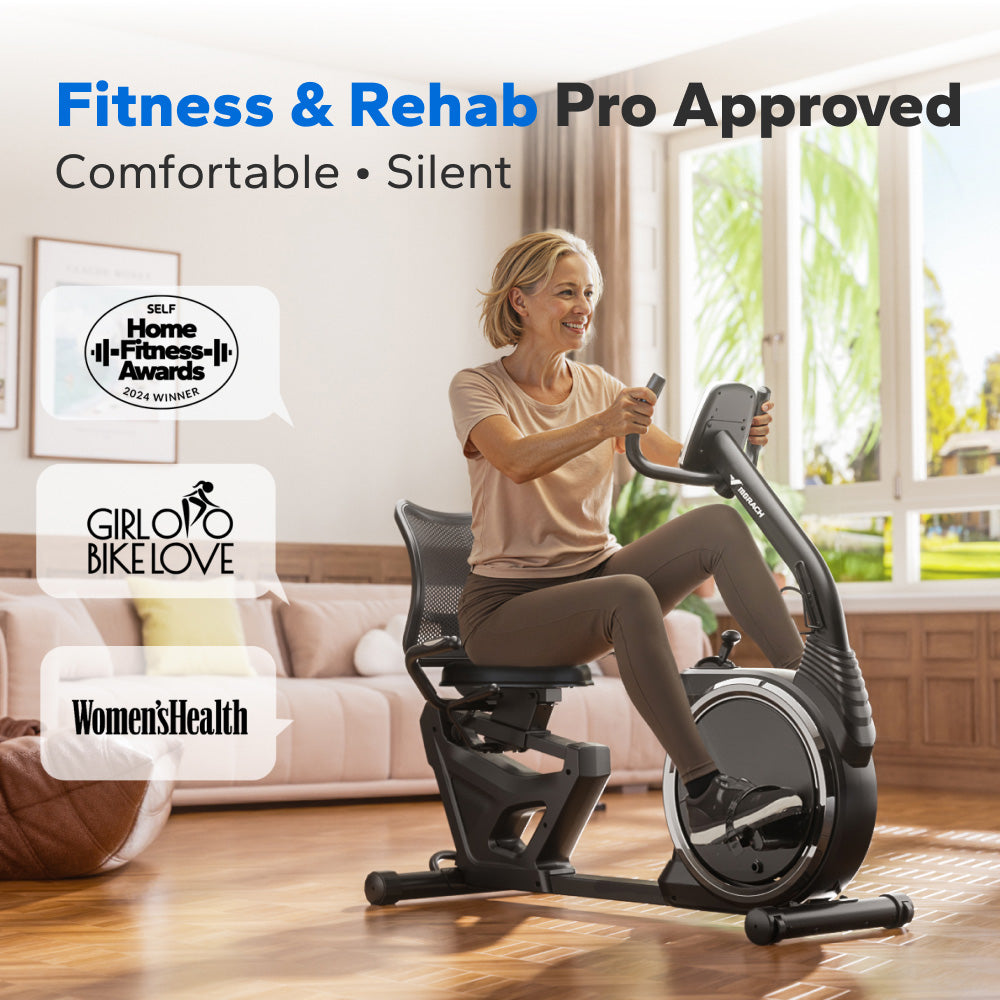
- Exercise bike: For those who prefer something a bit gentler, an exercise bike can be perfect for getting your cardio in without putting stress on your knees or hips. If you need extra back support, choose a recumbent exercise bike.
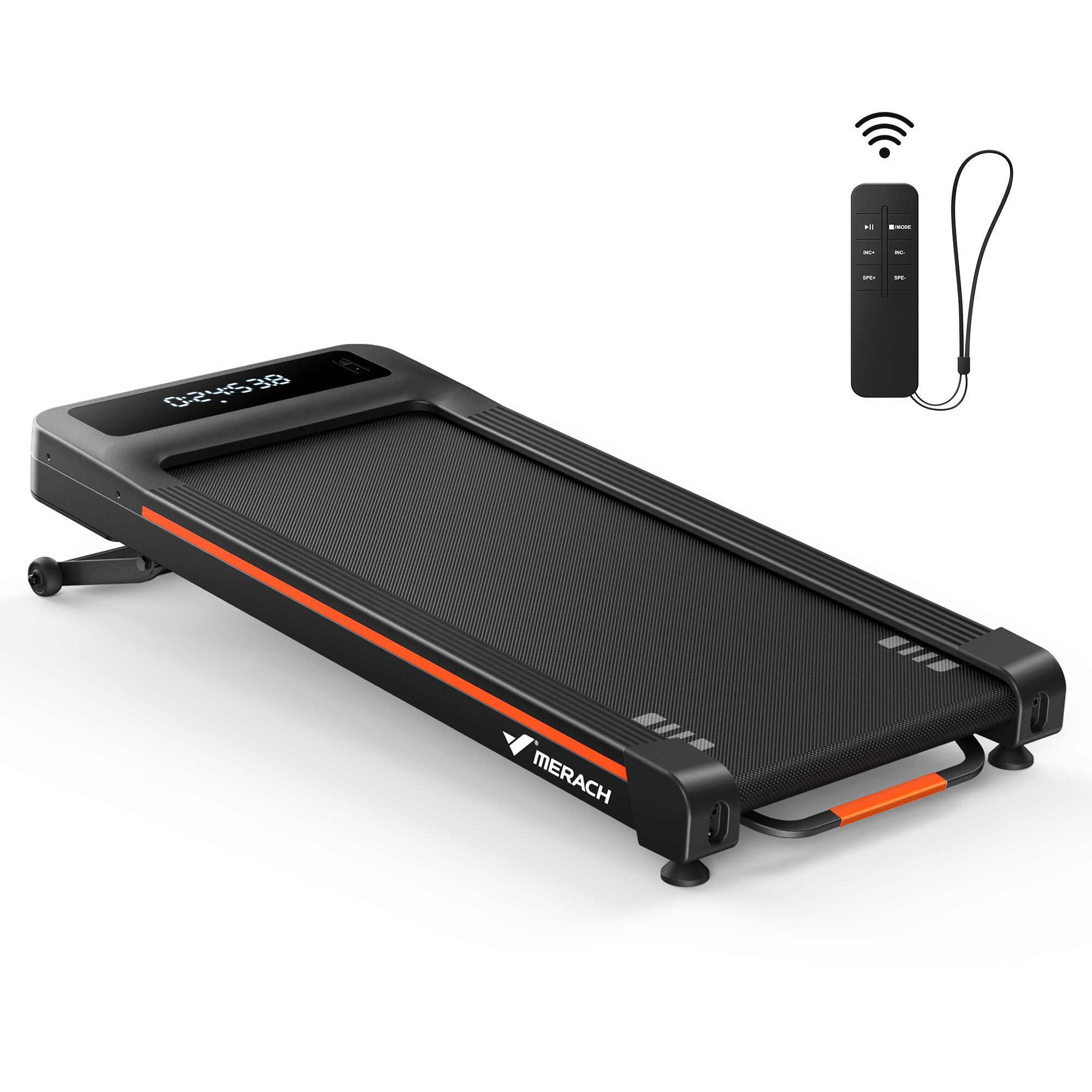
- Walking pad: The ultimate space-saving solution for staying active at home. Simply take it out and start walking while working, watching TV, or even taking calls—seamlessly integrating movement into your daily routine without any hassle.
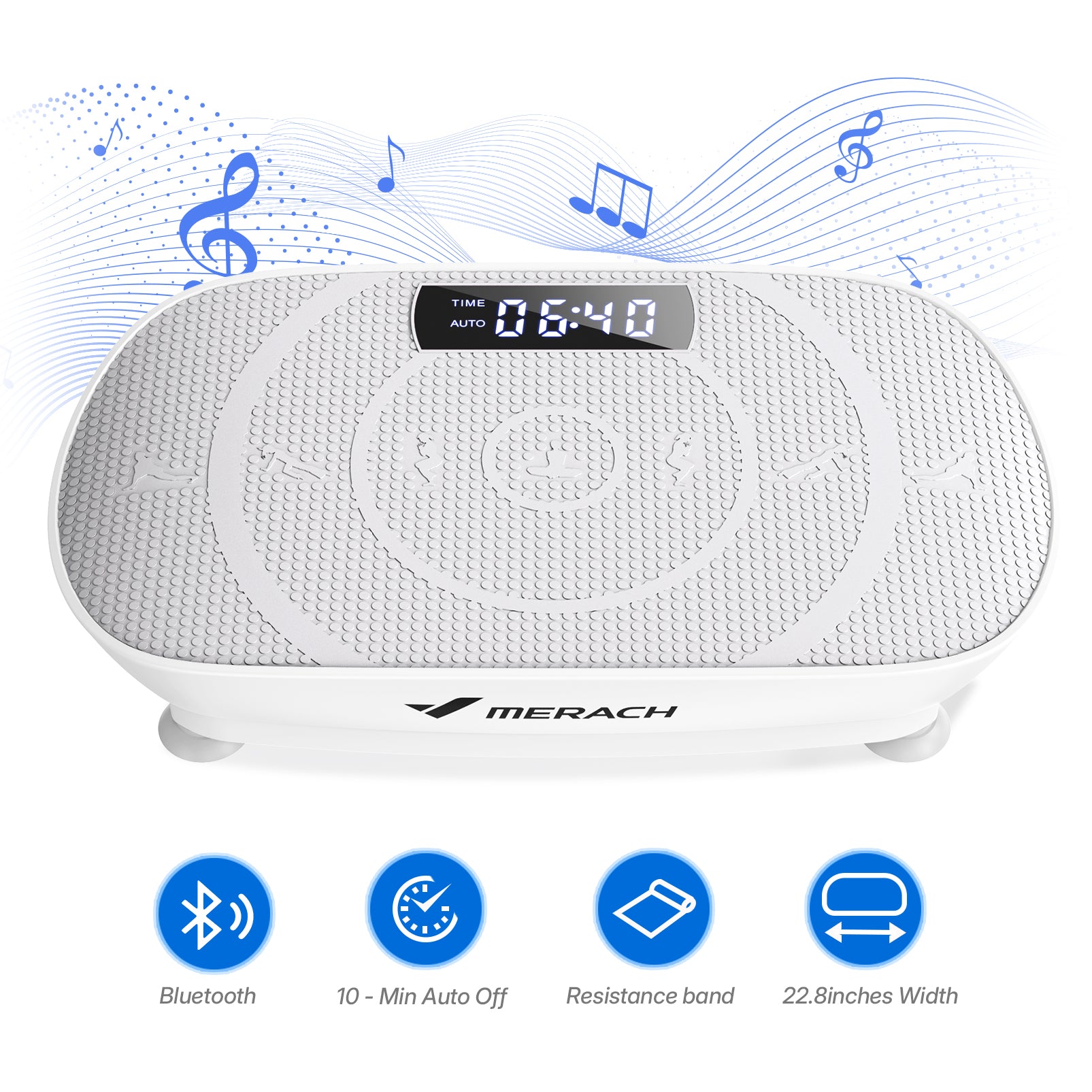
- Vibration plate: A compact and efficient tool that uses whole-body vibration to stimulate muscle contractions, improve circulation, and enhance flexibility. It's perfect for quick warm-ups, cool-downs, or as a low-impact addition to your routine.

But honestly? You can also start with push-ups, squats, lunges, planks, and burpees, which are all bodyweight exercises that require zero equipment. If free weights aren't an option, strength training can be accomplished using household items such as soup cans, water bottles, and milk jugs.
3. Beginner-Friendly New Year Workout Challenges
An effective new year fitness plan starts with structure and personalization. Consider your schedule, goals, and current fitness level. Here’s a simple framework for beginners:
- Schedule workouts 3-5 times per week
- Alternate cardio, strength, and flexibility days
- Include short warm-ups and cool-downs to prevent injury
- Set weekly milestones to measure progress
- Adjust intensity as fitness improves
Incorporating a variety of exercises keeps your new year workout challenge interesting and sustainable.
Beginner-Friendly New Year Workout Plan
Challenges help you stay motivated and track progress. Here’s a detailed 4-week beginner-friendly plan with exercises, duration, and frequency for home workouts:
| Week | Exercise | Duration / Reps | Frequency | Notes |
|---|---|---|---|---|
| 1 | Walking | 10 min | 5 days | Start slow, focus on consistency |
| Bodyweight Squats | 2 sets of 10 | 3 days | Keep back straight, slow movement | |
| Rowing | 5 min | 3 days | Low resistance, focus on form | |
| 2 | Walking | 15 min | 5 days | Gradually increase speed |
| Bodyweight Squats | 3 sets of 12 | 3 days | Add small pulse at bottom if comfortable | |
| Rowing | 7 min | 3 days | Increase resistance slightly | |
| Arm Circles | 2 min | 3 days | Warm-up and cool-down movement | |
| 3 | Walking | 20 min | 5 days | Try brisk pace intervals |
| Rowing | 10 min | 3 days | Focus on controlled stroke rate | |
| Vibration Plate | 5 min | 3 days | Start with low intensity, stand tall | |
| Bodyweight Lunges | 2 sets of 10 | 2 days | Keep knee aligned, slow and steady | |
| 4 | Walking | 25 min | 5 days | Mix in short faster intervals |
| Rowing | 12 min | 3 days | Moderate intensity, monitor heart rate | |
| Vibration Plate | 7 min | 3 days | Include calf raises or gentle squats | |
| Full Body Stretch | 10 min | 5 days | Cool down, focus on flexibility |
This table helps you structure a clear, progressive plan for your new year exercise challenge and ensures balance between cardio, strength, and recovery.
4. Tips for Sticking to Your New Year's Fitness Resolutions
Okay, so you've made your plan and maybe picked up some home fitness equipment. Now comes the hard part. How to actually stick with it when motivation starts to fade? The key to long-term success isn't about waiting for motivation to return—it's about building a system that keeps you moving forward even on the days you don't feel like it. Here are practical, research-backed strategies to help you stay the course and make exercise a non-negotiable part of your life.
Choose Activities You Actually Enjoy
One reason many fitness resolutions fail is that people view exercise as a chore. While some high-intensity exercises might burn more calories in one session, but if you hate what you're doing, there's no way you're going to stick with it long-term. Try different workout styles, watch different YouTube fitness channels, or switch between cardio and strength training days to keep things fresh.
Don't Forget Nutrition, Sleep, and Recovery
From a healthcare perspective, the right nutrition supports heart health, reduces inflammation, and promotes healthy weight management. Try to add nutrient-rich foods to your meals. A simple resolution to incorporate one extra serving of vegetables into every meal, for example, can make a significant difference without feeling overwhelming. And don't skimp on sleep. When you get 7-8 hours of sleep, your attention and concentration will improve, too, so this is a great resolution to stick to throughout the new year.
Find Your Fitness Partner
Another game-changer is finding an accountability partner. When you feel discouraged or unmotivated, having people check in and ensure that you stick to your plan makes a huge difference. Join an online fitness challenge, find a workout buddy, or share your goals with a friend who checks in on you. Accountability can be a powerful motivator.
Be Patient & Celebrate Small Wins
Success isn’t just a number on a scale. It’s showing up, feeling better, and building a routine you enjoy. Adjusting your expectations and knowing that it's okay to take rest days when needed is key to long-term success. You can reward yourself when you accomplish a small goal. Just make sure your rewards don't contradict your resolution—treat yourself to new workout gear, a massage, or a fun outing instead of junk food.

5. FAQs about Fitness Resolution
Even with a structured plan and detailed workout challenges, you may have questions about how to make your fitness resolution stick, stay motivated, or adapt exercises safely. The following provides practical tips to help you overcome obstacles and maintain consistency throughout your new year fitness journey.
Q1: How do I stick to my fitness resolution when motivation fades?
Motivation naturally comes and goes, so the key is building habits and systems that don't rely on how you feel. Set up a regular workout schedule, find an accountability partner, track your progress, and focus on the process rather than just the result. If you have totally run out of steam when it comes to keeping your resolution by mid-February, don't despair—start over again and recommit yourself for 24 hours. You can do anything for 24 hours, and those 24-hour increments will soon build on each other.
Q2: What's the best workout routine for complete beginners at home?
For complete beginners, start with 2-3 sessions per week of 20-30 minutes each. Mix bodyweight exercises like squats, push-ups, lunges, and planks with some light cardio like walking or rowing workouts. The best routine is one you'll actually do consistently, so pick activities you enjoy and gradually increase intensity as you get stronger. Remember, the workout you do is always better than not working out at all.
Q3: Do I really need expensive equipment to work out at home?
Nope! You can get an amazing workout with just your bodyweight. Exercises like push-ups, squats, lunges, planks, and burpees require zero equipment. That said, a few affordable items like resistance bands, dumbbells, or a yoga mat can add variety. If you want to invest in something bigger for cardio or full-body workouts, equipment like rowing machines or exercise bikes can be great.
Q4: How can I avoid getting injured when starting a new year workout challenge?
Start slow and listen to your body. Don't jump from zero activity to intense daily workouts—ease into it with 2-3 sessions per week and gradually increase. Always warm up before exercising and cool down after. Focus on proper form over speed or weight, and don't be afraid to modify exercises to match your current fitness level. If something hurts (not just feels challenging), stop and rest. It's human nature to try to pick up where we left off, when in fact, it would be better long-term to kind of ease in.
Q5: What should I do if I miss a workout or fall off track with my new year fitness plan?
Don't beat yourself up—setbacks happen to everyone. Missing one workout (or even a week) doesn't mean you've failed. Just get back on track with your next scheduled session without guilt or shame. If you've totally run out of steam, recommit yourself for just 24 hours and build from there. The key is to treat your fitness journey as a long-term lifestyle change, not a short-term sprint. Setbacks are normal, but they don't define your journey—what matters is getting back up and continuing.
6. Conclusion
Starting a new year fitness resolution at home is achievable with the right approach, equipment, and mindset. From rowing machines to vibration plates, incorporating the right home fitness equipment can make your workouts effective and enjoyable. Setting realistic goals, following a structured plan, and tracking progress ensure you stick to your new year workout challenge.
Take action today: set your goals, choose your equipment, and commit to your first workout. Don’t wait for tomorrow—start your new year fitness challenges now. Stay consistent, stay motivated, and make this your healthiest and strongest year yet!



Leave a comment
All comments are moderated before being published.
This site is protected by hCaptcha and the hCaptcha Privacy Policy and Terms of Service apply.